
Alina Morawski
Dec 26, 2023
So You’re Planning to Visit Alaska!
Congratulations, you’re in for a real adventure. The allure of a trip to Alaska never fades, and if you get the chance to come, I highly recommend making it happen.
That said, planning can feel overwhelming. Alaska is massive, with regions that feel like separate worlds. I put together this guide to help you figure out what to see, how to get around, and what to pack for your trip.
Step 1: Decide Which Areas You Want to See
Alaska is huge. For perspective: you could fit Texas into Alaska more than twice. Driving between destinations often takes hours, so it helps to choose a few key areas for your first trip instead of trying to see it all.
Most visitors fly into Anchorage or Juneau. This guide assumes Anchorage as your starting point.
Areas & Approximate Distance from Anchorage:
Denali National Park – 4–5 hr drive
Seward & Kenai Fjords National Park – 2.5–3.5 hr drive
Homer – 4–5 hr drive
Valdez – 5–6 hr drive
Wrangell–St. Elias National Park – 4.5–5.5 hr drive
Fairbanks – 6–7 hr drive or 1 hr flight
Katmai National Park – flight only (from Anchorage or other hubs)
Lake Clark National Park – flight from Homer or Kenai
Cordova – 45 min flight
To view a map with all these locations you can navigate to this google map.


Step 2: Choose Your Activities
Alaska’s wildness is its charm — but that also means many of the best places are accessible only by boat, plane, or helicopter. Guided trips can feel pricey, but they’re often worth it. Still, there are plenty of free hikes and low-cost activities if you’re on a budget.
Paid Experiences (Things We Tried & Loved)
Prices listed as of December 2023
Helicopter Tour – ~$375/hr, options in Valdez & elsewhere
Fishing Charter (Homer) – ~$600/day, ship your catch home in a cooler
Bear Viewing (Lake Clark or Katmai) – ~$885/person (worth it even if you only see one bear!)
Ice Climbing (Exit Glacier, Seward) – ~$219/person
Denali Transit Bus – $35 + $15 park entrance fee
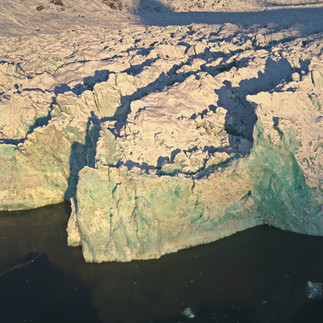
Kenai Fjords Cruise (Seward) – $199/ 6hr trip
Portage Glacier Cruise – $45/1hr trip
Dog Sledding (Winter only) – ~$169
Chena Hot Springs (Fairbanks) – entry included with hotel stay
Free/Low-Cost Activities
Hatcher Pass (drive or hike)
Rabbit Lake hike
Byron Glacier hike
Ice skating at Potter Marsh (Nov–Dec)
Slaughter Ridge hike
Eklutna Lake hike
Eagle River Nature Center trails
Alaska Native Heritage Center (Winter admission ~$5)
Anchorage Museum (free first Fridays 6–9pm)
Still on My List to Try
Guided packrafting
Kayaking
Snow-machining (winter)
Step 3: Pick the Right Season
Alaska changes dramatically by season — and your experience will depend a lot on when you come.
Summer (June–Aug): Long daylight hours, warmest temps, best for hiking, fishing, wildlife, and glaciers.
Fall (Sept–Oct): Crisp air, fall colors, northern lights begin to appear.
Winter (Nov–March): Aurora season, dog sledding, skiing, ice skating. Very limited daylight.
Spring (April–May): Shoulder season; wildlife waking up, fewer tourists, but some activities still closed.
If your goal is to see the Northern Lights, avoid mid-summer — it’s too bright. Winter is your best bet.
Step 4: Pack Smart
Weather here can change quickly — sometimes in the same hour. Layers are key.
Essentials:
🥾 Hiking boots + waterproof shoes or rain boots
🧥 Rain jacket
👖 Rain pants
🧣 Warm layers (fleece, down jacket)
👕 Base layers/long underwear
🧢 Hat(s) – beanie + sunhat
🧤 Gloves
☀️ Lighter clothes for sunny 60° days
🧴 Sunscreen
🦟 Mosquito gear – head net, light long sleeves/pants
💧 Water bottle
👗 Something nice for going out
Activity-Specific Gear: camping gear, ice skates, packrafting gear, etc.
Step 5: Food & Culture Extras
Shopping: Alaska Fur Exchange (for unique souvenirs)
Music/Festivals: Check local calendars — Alaska’s summer music scene is surprisingly lively.
Final Tip
Don’t try to “do it all” on one trip. Pick one or two regions and soak them in. That way, you’ll leave wanting to come back — and Alaska will always be here waiting.
Winter | Spring | Summer | Fall | |
Northern Lights Viewing |
| |||
Scenic Drives |
|
|
|
|
Backcountry ski the mountains (check out the book Alaska Factor for route information)
|
|
| ||
Cross Country Skiing
|
| |||
Resort Skiing |
| |||
Crabbing |
| |||
Fishing |
| |||
Day Cruises |
| |||
Biking |
| |||
Ice Skating (joing ice skating group on fb) |
| |||
Hiking |
|
Day Light:
Alaska Vacations & Travel Advice from Trusted Alaskans | ALASKA.ORG
Month | First Light | Sunrise | Sunset | Last Light |
Jan | 9:10-8:30 am | 10:10-9:19 am | 3:52-5:03 pm | 4:52-5:52 pm |
Feb | 8:28-7:08 am | 9:17-7:51 am | 5:05-6:28 pm | 5:55-7:11 pm |
Mar | 7:17-6:39 am | 7:57-7:23 am | 6:23-8:40 pm | 7:06-9:25 pm |
Apr | 6:35-4:55am | 7:20- 5:51 am | 8:43-9:59 pm | 9:27-10:55 pm |
May | 4:51-2:26 am | 5:48-4:36 am | 10:01-11:15 pm | 10:58-12:55 am |
Jun | 2:51 am - N/A | 4:34-4:27 am | 11:17 - 11:36 pm | 1 am - N/A |
Jul | N/A- 4:23 am | 4:27-5:29 am | 11:36-10:39 pm | N/A-11:45 |
Aug | 4:22 AM | 5:22 AM | 9:03 PM | 10:02 PM |
Sep | 5:23 AM | 6:26 AM | 8:09 PM | 9:12 PM |
Oct | 6:50 AM | 7:59 AM | 7:18 PM | 8:27 PM |
Nov | 8:00 AM | 9:12 AM | 6:12 PM | 7:24 PM |
Dec | 8:44 AM | 9:57 AM | 4:44 PM | 6:02 PM |